

Key Details to Consider in Aluminum Composite Panels
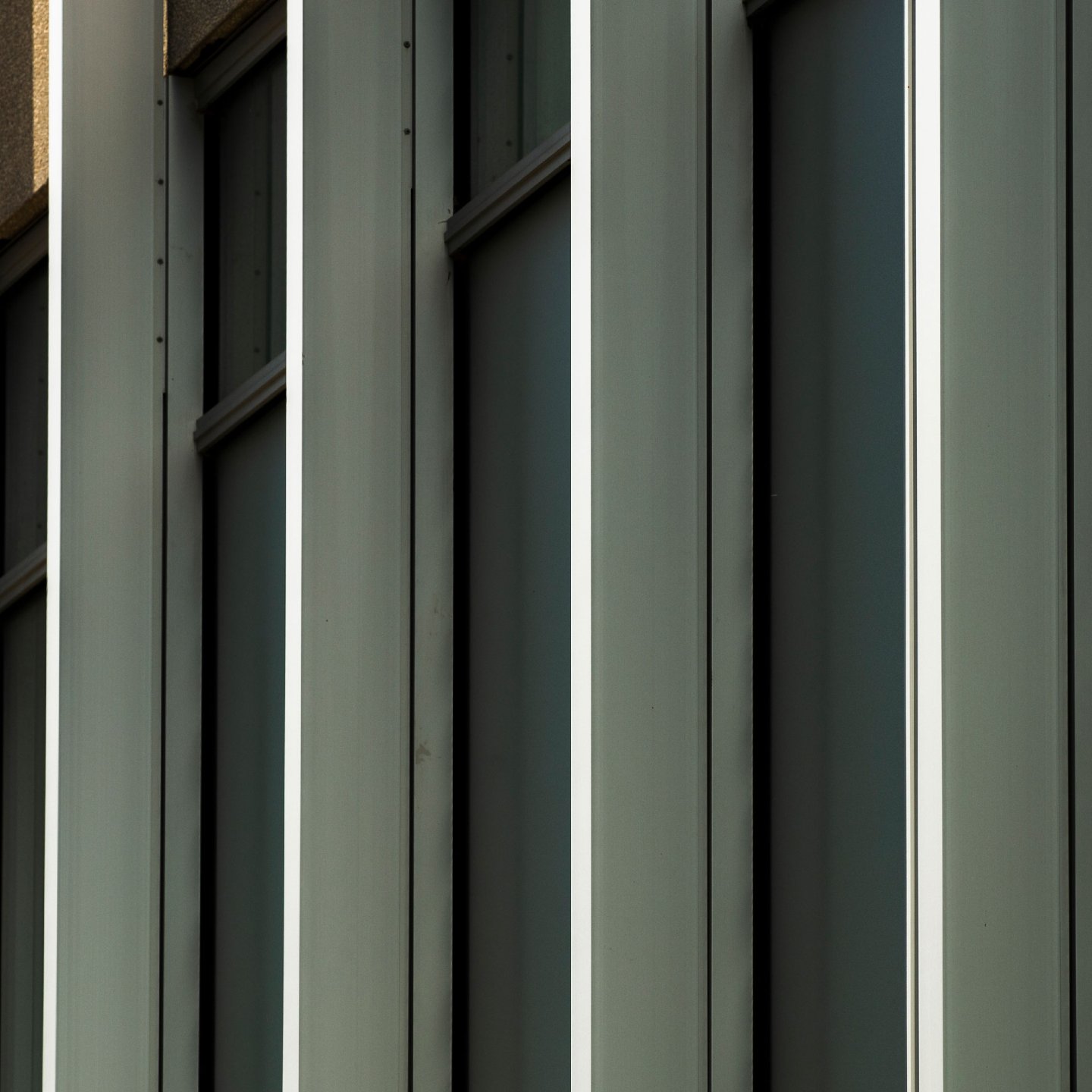
❝Discover the important details to consider in aluminum composite panel applications and selection in our article.
Aluminum composite panels are popular cladding materials that combine aesthetics, durability, and functionality in modern building facades and interior design projects. Achieving long-lasting and safe results in architectural projects is directly related to meticulousness during the application phase as well as correct material selection. A significant portion of the issues encountered in facade applications stems from pre-installation preparation deficiencies or the neglect of technical details.
Material Quality and Standards in Composite Panel Selection
When selecting aluminum composite panels for a project, the climatic conditions of the location, wind load, and the overall architectural structure of the building must be taken into account. The core material, surface coating, and paint quality of the panels are the fundamental elements determining the material's resistance to environmental influences. A quality composite panel provides resistance to external factors while also standing out with its lightweight structure that does not place excessive load on the building.
When procuring materials, examining the technical documents provided by manufacturers or suppliers is important to confirm compliance with project specifications. Technical details such as fire resistance class, sheet thickness, and alloy properties should be evaluated as priorities for structural safety.
Surface Coating Types and Selection Criteria
The paint systems used on the surface of aluminum composite panels determine the material's resistance to sunlight, UV rays, and chemical factors. The climatic characteristics of the region where the project is located play a decisive role in selecting the correct surface coating. In exterior facade applications, choosing coatings resistant to color fading and corrosion ensures that the building retains its aesthetic appearance for many years.
The Importance of Infrastructure and Framing Systems
Instead of mounting composite panels directly onto walls, they should be applied over a suitable substructure framing system. This sub-construction, formed from aluminum or steel profiles, ensures that the panels are properly aligned and prevents potential deformations on the facade. The main considerations during the installation of the framing system include:
- Anchoring the load-bearing profiles firmly to the wall
- Leaving appropriate spaces for the installation of thermal insulation boards
- Calculating expansion margins when positioning profiles
- Choosing corrosion-resistant fasteners
Key Considerations During Installation and Application
The installation phase is the most critical stage of composite panel application. Precise measurements and the use of improperly sized equipment during the sizing, cutting, and bending of panels must be avoided. Incorrectly cut or flawed bent panels can cause stresses during installation and waviness on the facade over time.
Manufacturer instructions must be strictly followed when applying screw or interlocking systems. Over-tightening or leaving fasteners loose can restrict the thermal expansion movement of the panels, leading to structural issues. Additionally, joint gaps left between sheets must be calculated as an expansion margin resulting from temperature changes.
Thermal and Water Insulation with Detail Solutions
Alongside aesthetic appearance, maintaining insulation performance is essential in exterior claddings. The continuity of the thermal insulation layer applied to the exterior walls of the building must be ensured prior to composite panel installation. Placing insulation boards without leaving gaps and supporting them with wind barriers are elements that increase energy efficiency.
In facade details, complementary elements such as gaskets, seals, and insulation mastics must be used correctly to prevent water from leaking into the structure. Especially at points where water is prone to accumulate, such as window edges, corner turns, and roof terminations, additional insulation measures should be taken to prevent potential moisture problems.
Periodic Maintenance and Cleaning
Aluminum composite panels stand out as materials requiring low maintenance. However, dust, exhaust gases, and pollutants accumulating on the exterior surface over time can negatively affect the material's appearance. Appropriate cleaning methods should be applied at specific periods to extend the life of the facade and maintain its aesthetic quality.
Hard brushes or abrasive chemicals that could scratch the panel surface must never be used during cleaning. Generally, a soft wash using warm water and mild detergents is sufficient for surface cleaning. During periodic checks, the condition of the fasteners should also be reviewed, and maintenance performed when necessary.