

Corrosion Prevention and Maintenance Methods in Aluminum Profiles
❝Explore the maintenance methods required to extend the lifespan of aluminum profiles and protect them against corrosion.
Aluminum profiles are widely used in a broad range of applications, from modern architecture and industrial buildings to facade systems and interior designs. Known for their lightweight structure, durability, and aesthetic appeal, these materials can maintain their appearance and structural integrity for many years when properly protected. However, aluminum surfaces exposed to outdoor conditions may wear down over time due to environmental factors, which can negatively impact both their aesthetic structure and functionality.
Why Does Corrosion Occur on Aluminum Surfaces?
Aluminum naturally forms a thin yet effective oxide layer on its surface, providing high resistance against corrosion. Due to this natural barrier, it generally has a low tendency to oxidize under normal conditions. However, specific environmental factors can damage this protective layer. Particularly, the heavy salty air in coastal regions, air pollution in industrial areas, and acid rain weaken the resistance of aluminum surfaces.
Additionally, galvanic corrosion caused by the direct contact of different metals is a common issue. Moisture and water accumulation remaining on the surface for extended periods, environments with inadequate ventilation, and the use of incorrect chemical cleaners accelerate the degradation of the protective oxide layer. Recognizing these factors in a timely manner is crucial for extending the lifespan of the material.
The Importance of Regular Maintenance and Cleaning
The primary prerequisite for the longevity of aluminum profiles is regular and proper maintenance. Periodic cleaning ensures the removal of accumulated dirt, dust, salt, and chemical residues from the surface. These accumulations can trap moisture over time and trigger the corrosion process. Therefore, maintenance performed at regular intervals prevents potential deformations.
Maintenance processes must take the surface characteristics of the material into account. Incorrect methods or abrasive materials can cause scratches on the surface and damage the protective layer. Applying correct cleaning protocols safeguards both the aesthetic quality and mechanical resistance of the profiles.
Correct Cleaning Methods and Points to Consider
There are several fundamental rules to follow when cleaning aluminum profiles, which must be applied meticulously to preserve surface quality:
- Warm water and mild, non-abrasive detergents should be preferred for surface cleaning.
- Hard brushes, wire sponges, or sandpaper-like materials must never be used.
- Abrasive chemical cleaners with high acidic or basic levels should be avoided.
- Rinsing thoroughly with plenty of water should be done to ensure no detergent residue remains on the surface after cleaning.
- The surface should be dried with a soft cloth after the cleaning process is completed.
Surface Protection and Coating Technologies
Surface protection methods applied during the initial production stage provide significant advantages for aluminum profiles exposed to harsh environmental conditions. Anodizing (anodic oxidation) coating increases corrosion resistance by artificially thickening aluminum's natural oxide layer. This process makes the material more resistant to scratches and external factors.
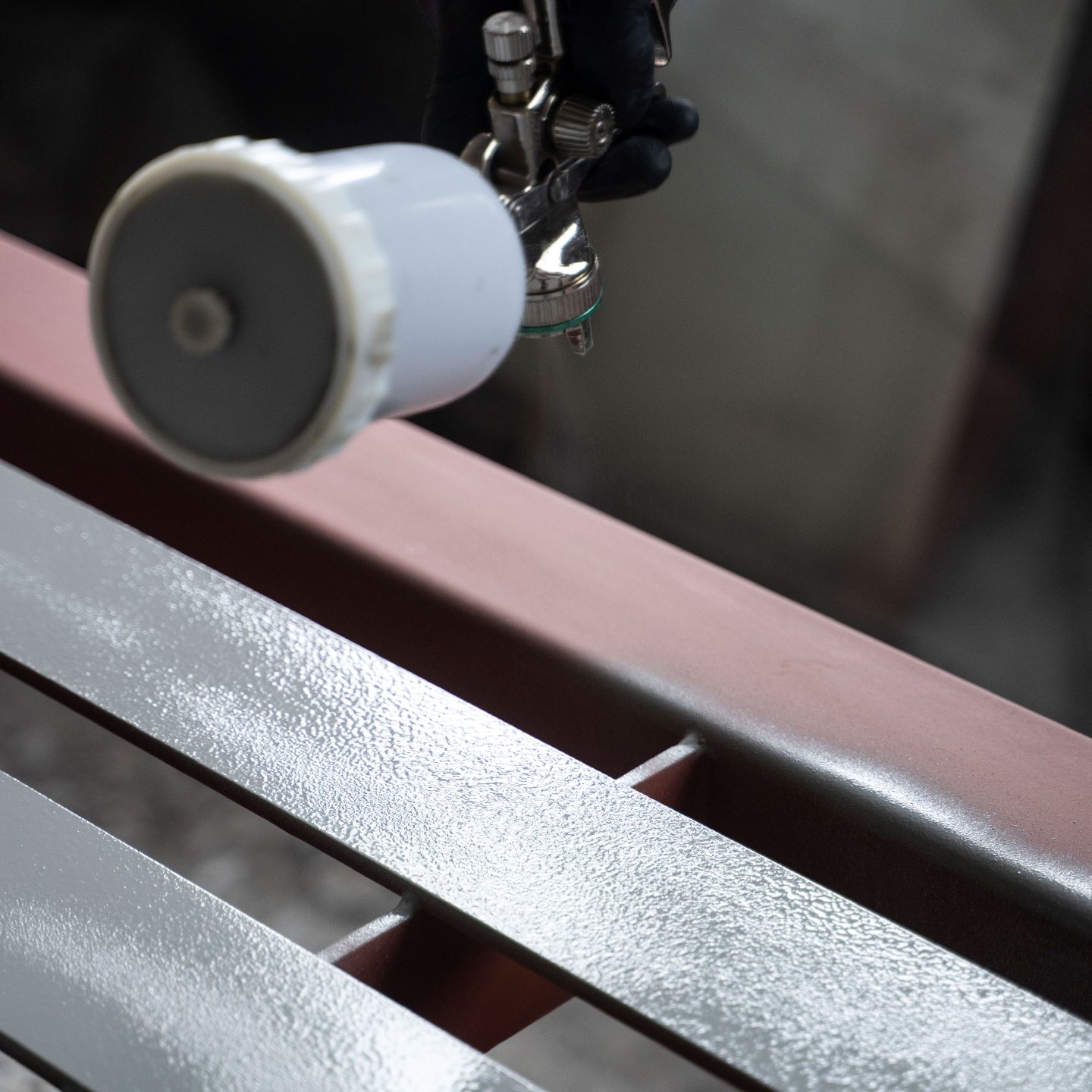
Another common method is electrostatic powder coating. In addition to offering color and aesthetic variety, it extends the lifespan of the profiles by creating a physical barrier against external factors. Choosing these protective coatings, especially in exterior facade applications, minimizes maintenance costs and wear risks.
Periodic Inspection and Preventive Measures
Cleaning alone is not enough for the long-term use of aluminum profiles; regular inspections also play a major role. The slightest signs of wear at connection points and areas with screws and fasteners should be identified early. Narrow gaps that can trap moisture and water drainage channels must be regularly checked and kept clean.
Preventive measures also include periodically supporting profiles in outdoor areas with appropriate protective maintenance products. These small interventions prevent costly repairs that may be required in the future and ensure the safe use of structures.