

Common Issues and Solutions for Aluminum Profiles
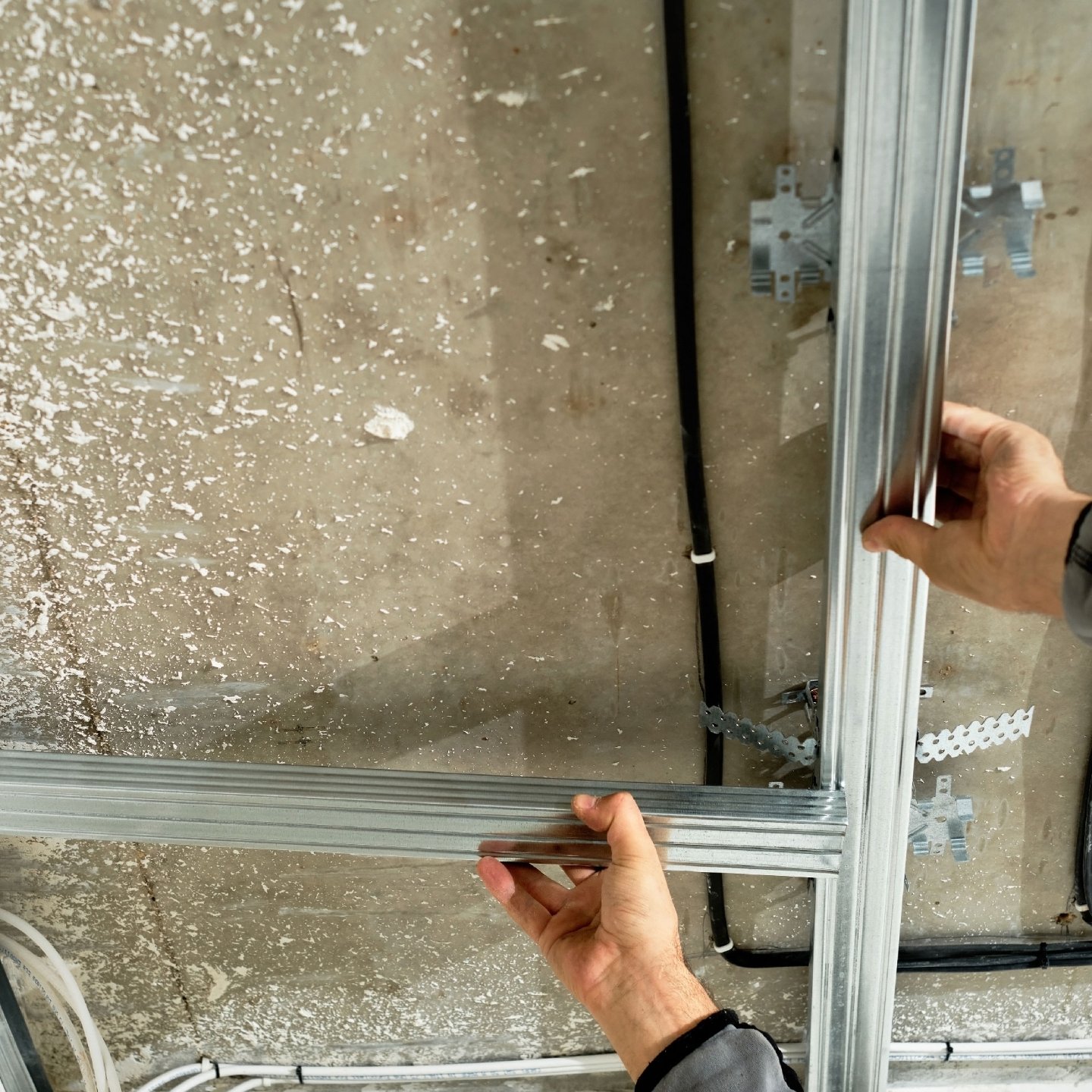
❝Explore common issues encountered with aluminum profiles and practical methods to consider for solving these problems.
Aluminum profiles stand out as an indispensable material in construction, industrial manufacturing, automotive, and architectural facade systems thanks to their light weight, high strength, corrosion resistance, and aesthetic flexibility. Aluminum systems that go through correct manufacturing and application processes maintain their structural integrity for many years. However, certain unwanted problems may be encountered over time due to installation errors, incorrect material selection, environmental factors, or lack of maintenance. In this article, we will discuss the most common issues encountered during the use and application of aluminum profiles, the root causes behind these problems, and effective solutions.
Surface and Corrosion Issues in Aluminum Profiles
Aluminum is naturally resistant to corrosion thanks to its oxide layer. Despite this, specific environmental conditions and faulty applications can lead to surface degradation. Especially in humid, salty coastal areas or industrial zones exposed to chemical gases, surface staining and an increase in oxidation may be observed. Additionally, non-compliance with standards in anodizing or powder coating applications can pave the way for paint peeling and blistering.
To prevent surface problems, choosing the right alloy and surface treatment type at the initial stage is essential. When current signs of corrosion are observed, the surface should be cleaned with appropriate cleaners and supported with protective varnish or renewal paints. Periodic cleaning is one of the most critical steps to extend the lifespan of aluminum surfaces.
Errors Caused by Installation and Dimensional Mismatches
Measurement and alignment errors made during the installation phase of aluminum profiles directly affect the overall quality of the project. Tight installations made without taking the thermal expansion coefficient into account cause profiles to bend, make noise, or loosen from joints with temperature changes. Furthermore, the direct contact of different metals (such as steel and aluminum) can trigger an electrochemical degradation called galvanic corrosion.
To prevent such structural problems, manufacturer instructions and engineering projects must be strictly adhered to during installation. Interface insulation should be provided with plastic or rubber gaskets used in metal contact points, and errors such as over-tightening or leaving fastening elements loose should be avoided.
Insulation and Sealing Problems
Water and air leaks are among the most common complaints encountered in facade and joinery applications. Incorrectly selected gaskets, faulty silicone applications, or clogged drainage channels can lead to rainwater leaking inside or wind penetration. This both reduces indoor comfort and paves the way for mold and dampness formation in structural components over time.
Measures that can be taken to solve sealing problems include:
- Gaskets or sealing elements of the right quality and flexibility must be used.
- It must be ensured that the water discharge (drainage) channels designed in profile systems are open and functional.
- Weather-resistant neutral silicones should be preferred at glass and profile joints.
- Corner wedges and connection details must be insulated completely.
Mechanical Stress and Deformations Over Time
Facades exposed to high wind loads, door and window systems in high-traffic areas, or industrial profiles carrying loads above their capacity can undergo mechanical deformation over time. Selecting inadequate profile wall thicknesses according to the application area is the most common reason for such bending and sagging.
Wind load calculations and static requirements of the project should be meticulously examined to minimize the risk of deformation. In existing sagging or flexibility conditions, supporting reinforcement profiles should be added or connection points should be strengthened.
The Importance of Maintenance and Periodic Inspection
Regular maintenance and checks are essential for aluminum profile systems to have a long lifespan. General inspections to be performed at least once a year provide an opportunity to observe whether gaskets retain their flexibility, screw tightness, the condition of drainage channels, and the integrity of the surface coating. When small-scale wear or looseness is intervened before growing, high-cost repairs are prevented.
In summary, a large part of the common problems encountered in aluminum profiles can be completely controlled through proper planning, quality material selection, correct installation techniques, and regular maintenance. Operations carried out in accordance with sectoral standards ensure that the reliability and aesthetics of the aluminum structure are preserved for many years.